
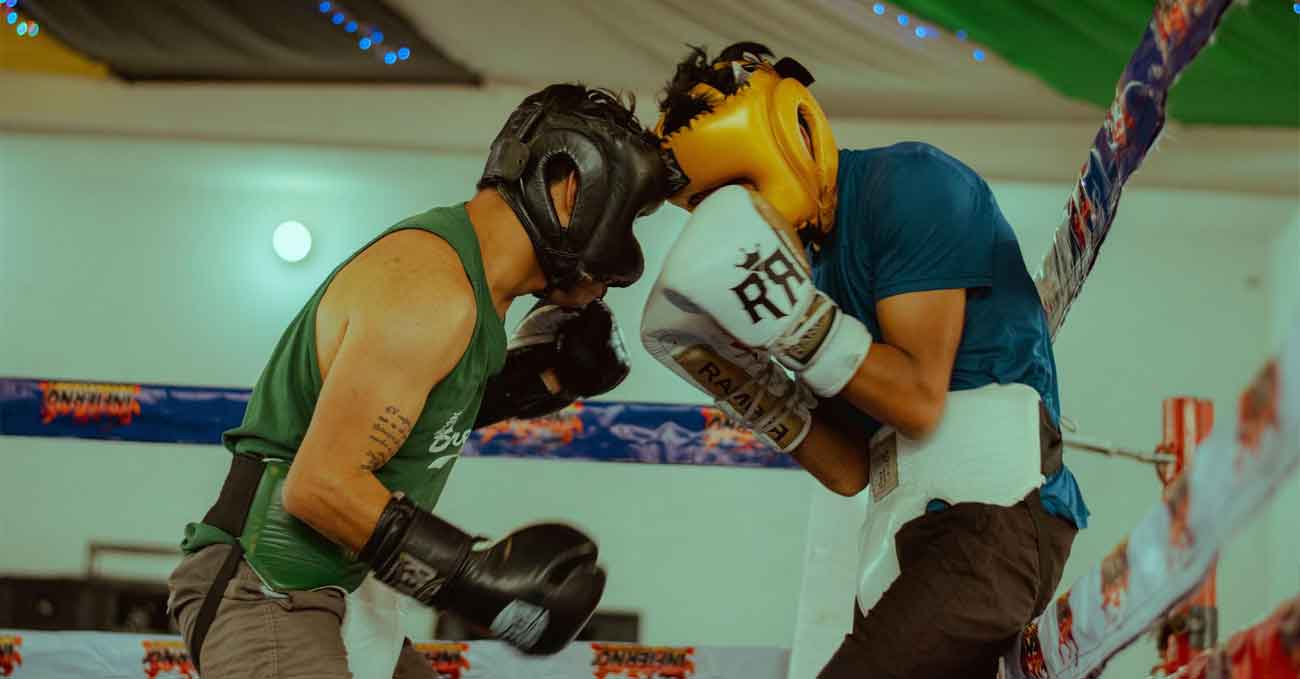
A boxer who constantly moves backward can be difficult to hit. Good footwork and positioning can keep a fighter out of danger, even against an aggressive opponent.
Experienced boxers know that simply following someone around the ring rarely works. A better approach is to take away their space before they can escape.
This technique is called cutting off the ring. Instead of relying only on speed or throwing more punches, a boxer uses positioning to control where the next exchange happens.
What Does Cutting Off the Ring Mean?
Cutting off the ring means limiting an opponent’s escape routes. Rather than following directly behind a retreating boxer, the attacker moves diagonally or sideways to meet them at a better angle.
Imagine a boxer who circles toward the ropes whenever an opponent approaches. A fighter who simply follows will spend much of the round trying to catch up. A skilled pressure fighter anticipates the direction of movement and positions themselves along the opponent’s likely escape route. Each step reduces the available space until the retreating boxer has fewer options.
Why Chasing an Opponent Usually Fails
Chasing might look aggressive, but it makes a fighter predictable. An opponent can circle away, pivot, or throw a jab to interrupt the advance.
Straight-line chasing also wastes energy. A boxer who repeatedly lunges forward must work harder to regain balance and return to a proper stance. If the opponent keeps moving, the pursuer spends energy without creating meaningful opportunities.
There is also the risk of counterpunches. A fighter who commits too heavily to moving forward can leave openings around the head and body. Experienced pressure fighters therefore prioritize positioning over speed, controlling movement without sacrificing defense.
How Footwork, Jabs, and Feints Help
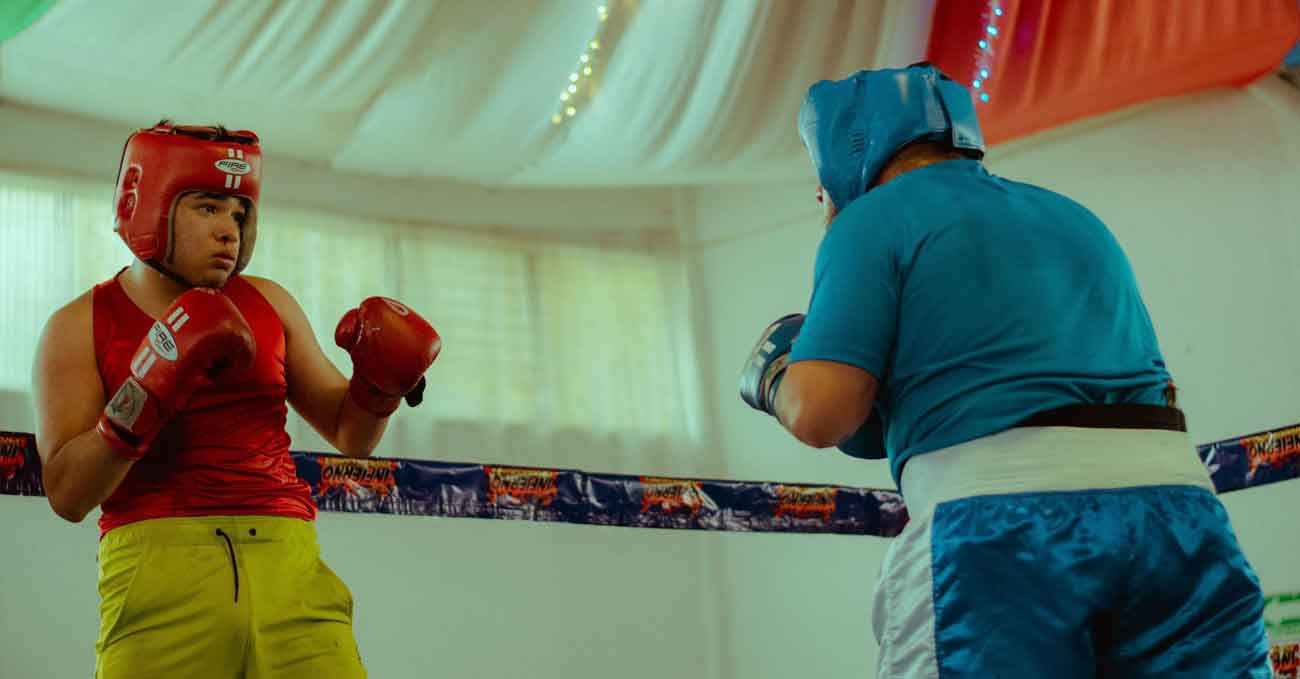
Effective ring control starts with proper footwork. Most fighters use short, controlled steps to maintain balance. When an opponent circles toward one side, the pressure fighter moves laterally or diagonally to block the available space. A pivot, turning around a planted foot, helps a fighter adjust their angle without taking several unnecessary steps.
Punches and feints make this movement more effective. The jab helps measure distance, interrupt movement, or discourage an opponent from stepping in a particular direction. A slight shoulder movement can also make an opponent react before a punch is thrown.
Much like anticipating an opponent’s next move in Tongits Plus GameZone, successful ring control depends on recognizing patterns before reacting.
Boxers Who Made Ring Pressure Work
Several accomplished fighters showed how effective ring-cutting can be against mobile opponents.
Julio César Chávez was known for applying pressure and working at close range. He gradually reduced opponents’ room to maneuver and punished them with combinations, particularly to the body.
Joe Frazier built much of his success around forward pressure. His bobbing and weaving, constant movement, and powerful left hook helped him close the distance against taller opponents.
Gennady Golovkin offered a more measured example. His controlled movement and calculated pressure helped position opponents where his punches could become more effective.
Their styles differed, but each understood that controlling space can be just as valuable as landing a powerful punch.
How Boxers Escape Ring Pressure
Cutting off the ring is effective, but skilled defensive fighters have ways to counter it. One option is the pivot. Instead of continuing backward toward the ropes, a boxer turns around their lead foot and changes direction to return to open space.
Lateral movement is another solution. Moving sideways rather than retreating in a straight line makes it harder for an opponent to predict the next position.
Some fighters also use a check hook, or a hook thrown while stepping or pivoting away from an advancing opponent. When timed correctly, it can interrupt their forward movement and create some room to escape.
This makes ring control an ongoing tactical battle: the pressure fighter tries to limit movement, while the defensive boxer looks for a chance to regain space.
Why This Tactic Makes Boxing More Interesting
A boxing match is not simply a contest of punching power. Fighters make decisions about distance, timing, positioning, and energy.
Cutting off the ring shows how small movements can influence a fight. A boxer who understands positioning can make an opponent work harder, limit their offensive options, and create better opportunities to attack.
For spectators, recognizing these details adds another dimension to watching a match. Instead of focusing only on knockdowns and combinations, they can watch how fighters move, control space, and respond to one another. Sometimes, the most important exchange happens before anyone throws a punch.


